
Glass-Laminated Plastics
Composite materials for safety, transparency and durable applications.
Glass-Laminated Plasticsis a composite material made by bonding layers of glass and plastic. It combines the strength of glass with the flexibility of plastic.
This composite is commonly used in safety glass, vehicle windscreens, architectural panels and packaging.
Polyvinylbutyral (PVB)
Interlayer for laminated glass—adhesion, safety and clarity.

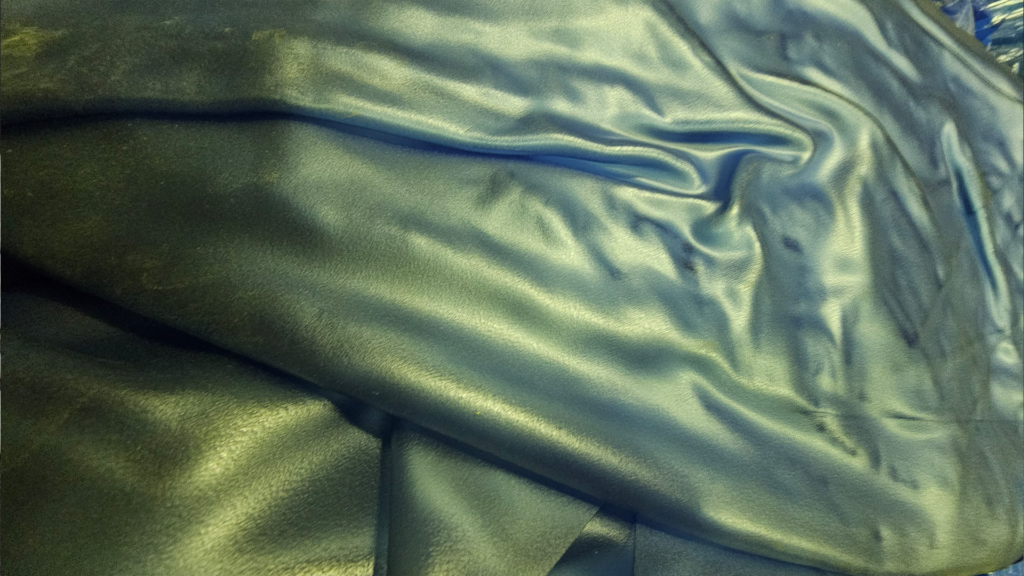
Polyvinyl butyrals with a low degree of acetalisation are water-soluble, while highly acetalised resins dissolve in alcohols. PVB resins with a higher proportion of acetyl groups are also soluble in aromatic solvents.
When used as an interlayer between panes of glass, complete functionalisation is not desirable because free OH groups provide better adhesion to the glass.
- Safety
- UV Resistance
- Sound Insulation
- Clarity
- Impact Resistance
- Versatility
Ethylenvinylacetat (EVA)
Elastic, colourless and lightweight—with resistance to heat and ageing.
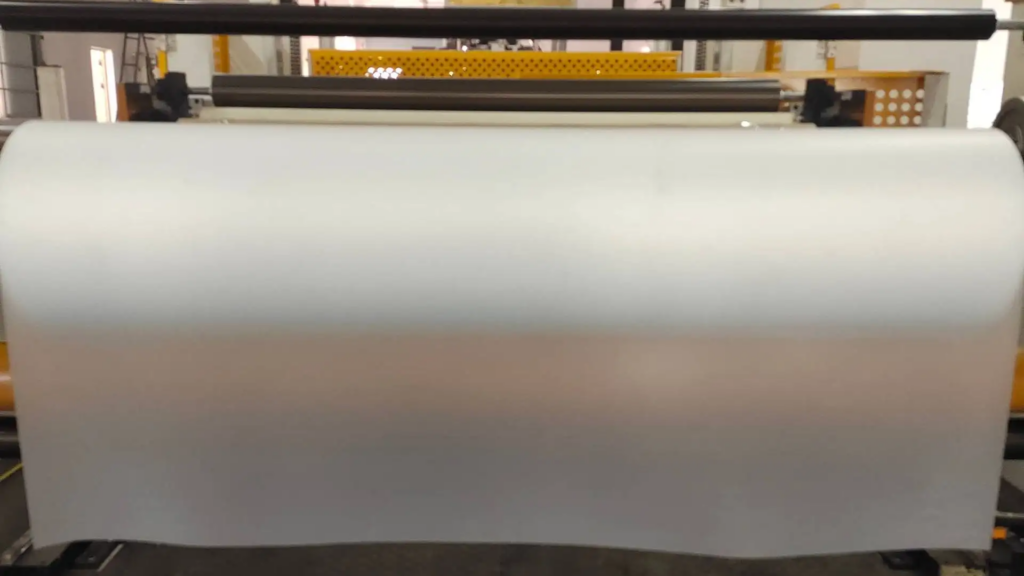
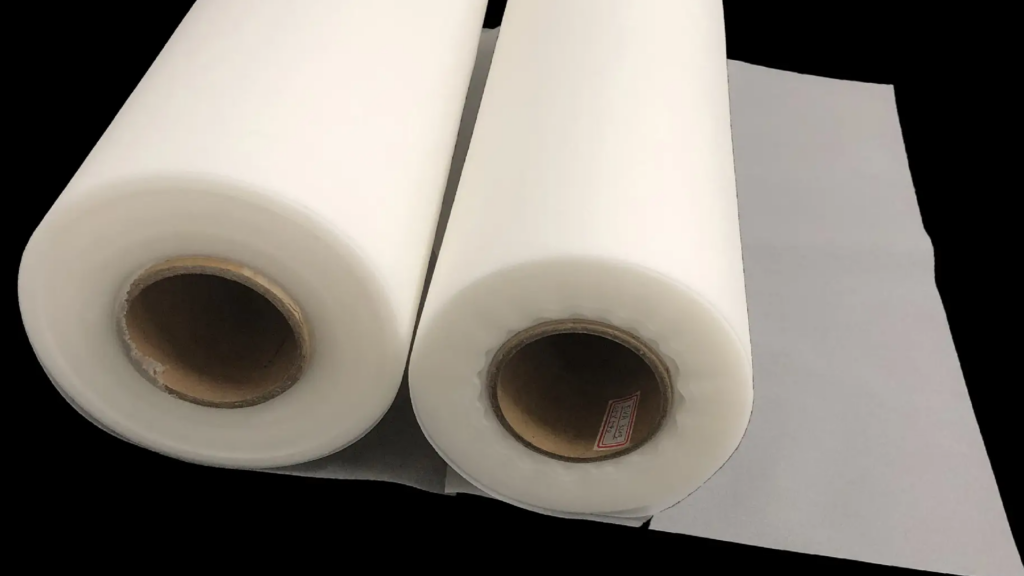
Ethylene-vinyl acetate (EVA) is an elastic and colourless plastic. Its properties vary according to the ratio of ethylene to vinyl acetate. In general, EVA is lightweight and resistant to heat and ageing.
- Flexible and Durable
- Good Processability
- Impact Absorption
- Transparency
- Impact Resistance
- Versatility
METALL- & WEEE-RECYCLING
Electronics and WEEE Processing
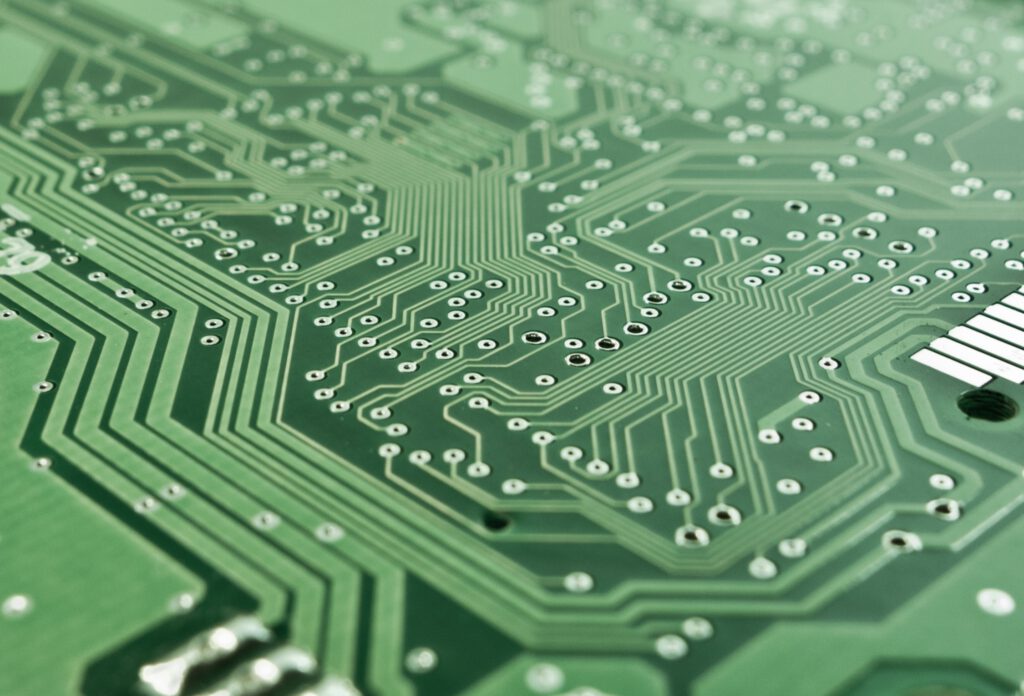
- Safe recycling services that reduce the environmental impact of electronic waste.
- Maximising the value of electronic waste and precious metals through specialised processes.