
PVB
Interlayer film for laminated glass—PVB film with an insulation function (Nano-I.M).
Product Features and Benefits
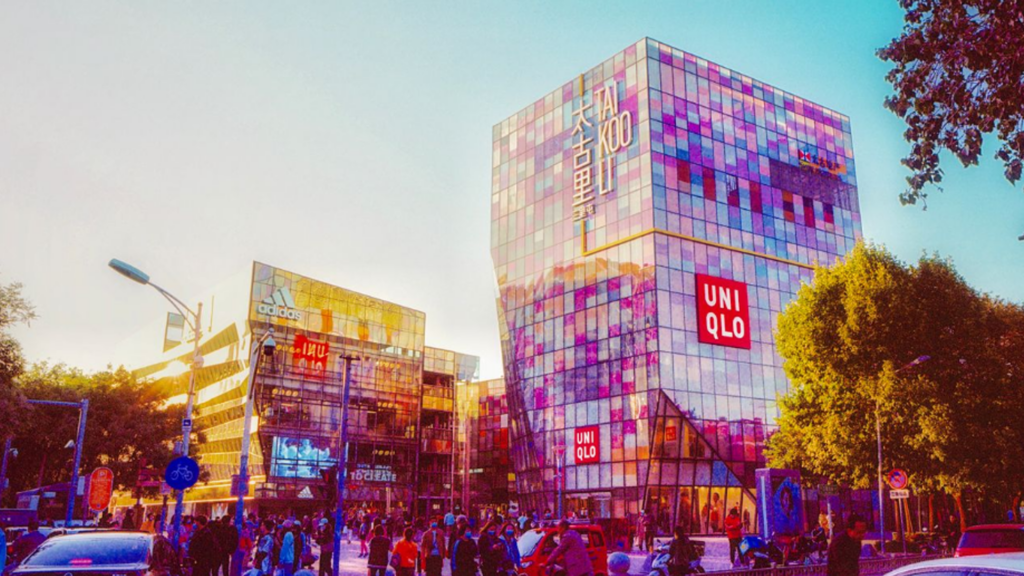
Rich in colour, with a wide range of choices
- Our company produces various types of coloured PVB films, including colour schemes for domestic and export markets.
- These include porcelain white, milky white, matt, green, ocean blue, brown, grey, blue star grey, European grey and more.
- Colour Schemes
- Export & Domestic
- Matt / Transparent
- Custom

Excellent Chemical Properties
- Transparent, resistant to heat, cold and moisture, with high mechanical strength.
- Translucent film made from plasticised, extruded polyvinyl butyral resin—with a smooth surface, defined roughness and good softness.
- Good adhesion to inorganic glass.
- Adhesion
- Moisture Resistant
- Temperature Resistant
- Mechanically Strong

Outstanding Chemical Properties
- PVB interlayer film is one of the world’s best bonding materials for producing laminated and safety glass.
- Performance in safety, theft protection, explosion protection, sound insulation and energy saving.
- Safety
- Sound Insulation
- Energy Saving
- Explosion Protection
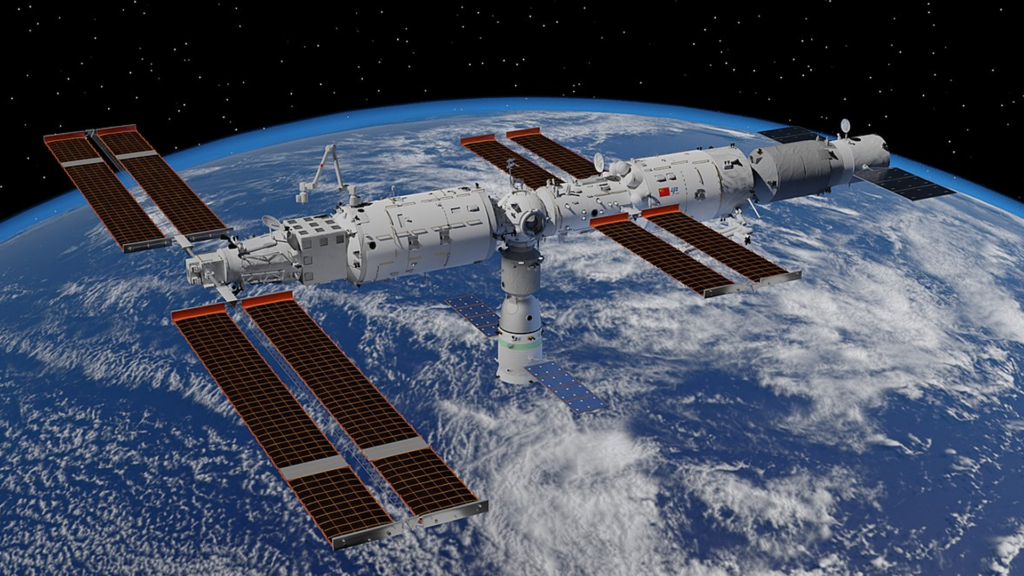
Outstanding Physical Properties
- Good tensile strength and a high modulus of elasticity—high performance for structural applications.
- Transparent plastic material that transmits light, for example in applications requiring transparency.
- Excellent impact resistance—capable of withstanding certain impact and pressure loads.
- Tensile Strength
- Elasticity
- Impact Resistant
- Transparent
PVB Film Production Process
1. Laminated Glass
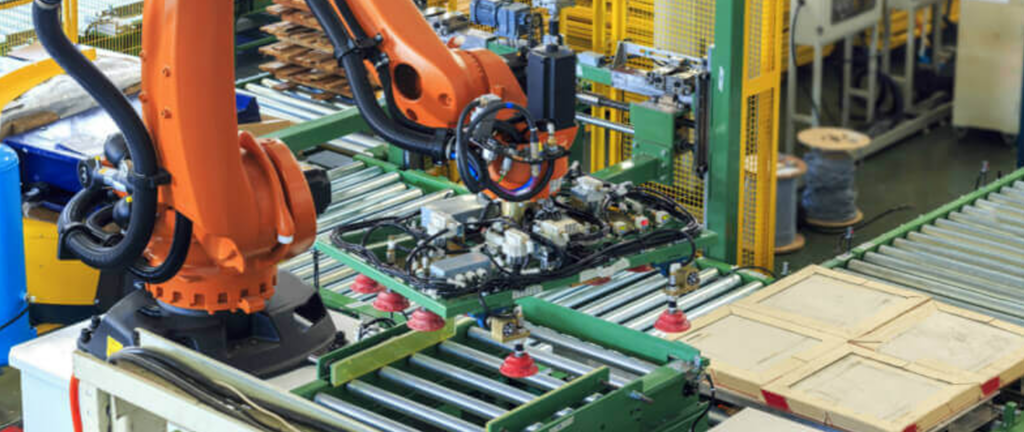
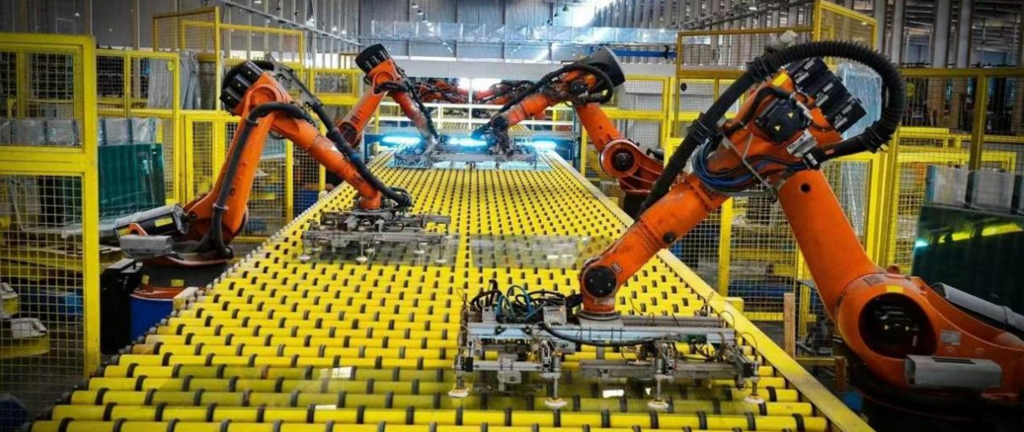
- Laminating room: 20–25°C, humidity ≤ 30%, dust-free; keep the machine clean.
- Wear uniform clothing, head covering and gloves to prevent dust, contamination and hair.
- Conditions: lamination at 20–30°C (max. 40°C).
- PVB at 20–25°C; check the PVB film and glass repeatedly for cleanliness and fit.
2. Pre-Pressing Process
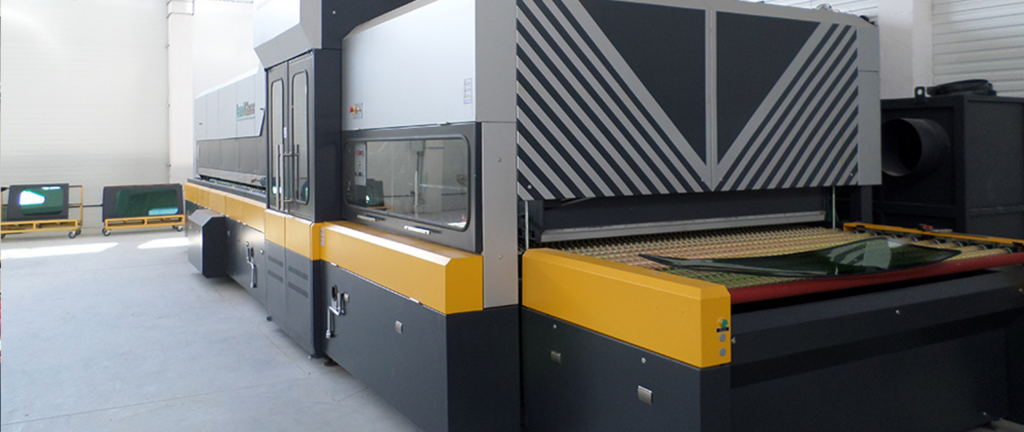
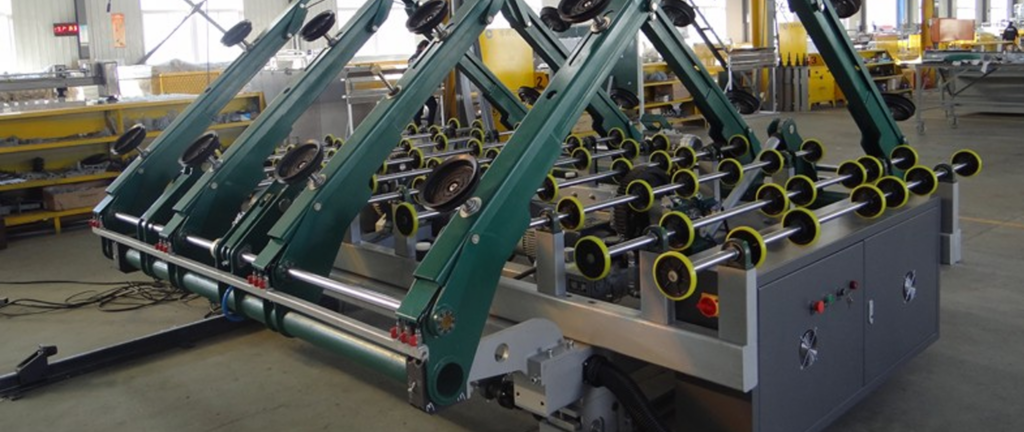
- Cold vacuuming: 20–25°C, pressure: −0.095 to −0.1 MPa; 2–15 minutes (continuous).
- Hot vacuuming: glass at 100–120°C; 30–45 minutes; pressure: −0.095 to −0.1 MPa; remove the glass as the temperature rises.
3. Rolling Process
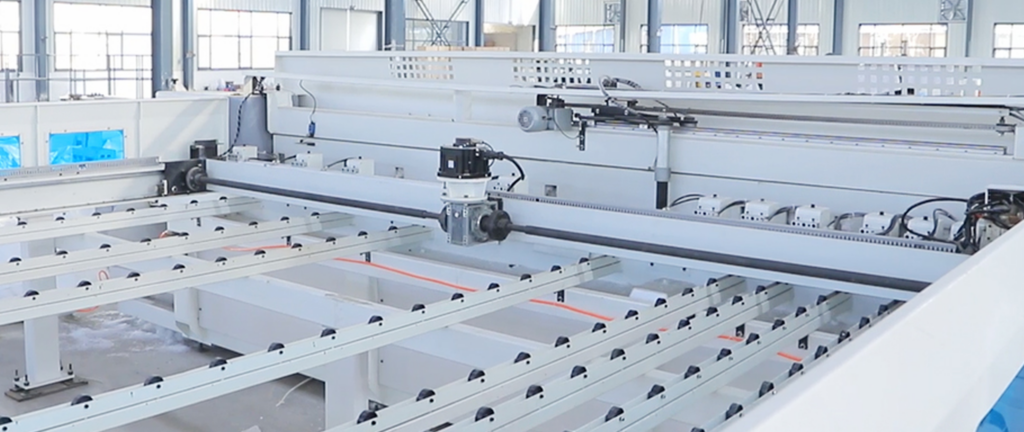
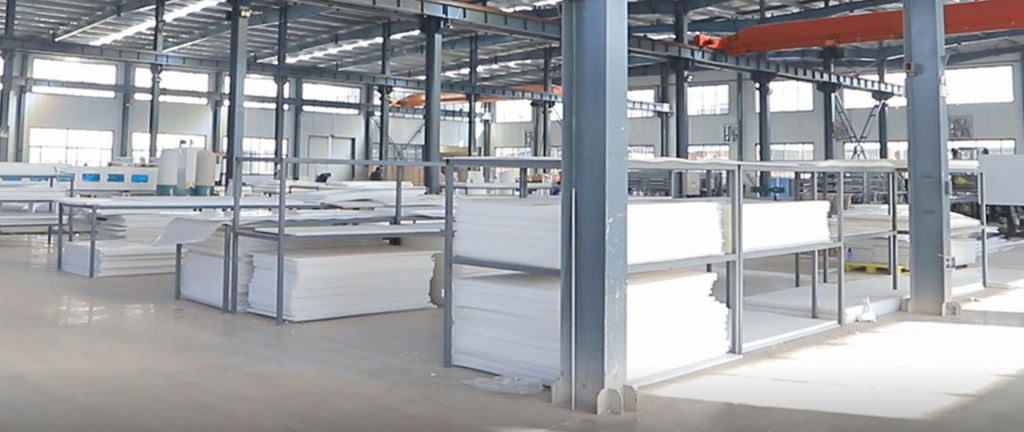
- Preheat the thermostat: lamination at 20–30°C, humidity 25%.
- 1. Temperature 100–120°C; first rolling; pressure 0.2–0.5 MPa; roller gap < 1 mm of glass thickness.
- 2. Temperature 160–180°C; third temperature 220–240°C; second rolling; pressure 0.3–0.5 MPa; roller gap < 2 mm.
- Maintain the thermostat temperature through continuous operation.
4. High-Pressure Forming
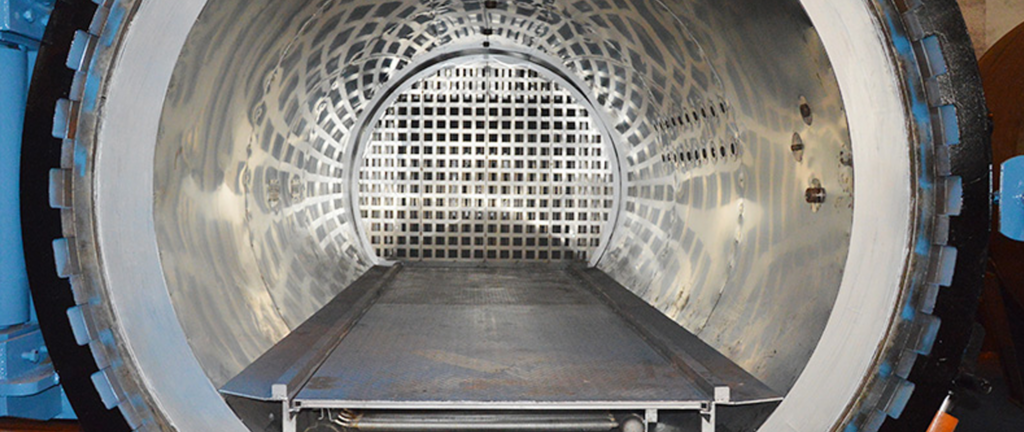
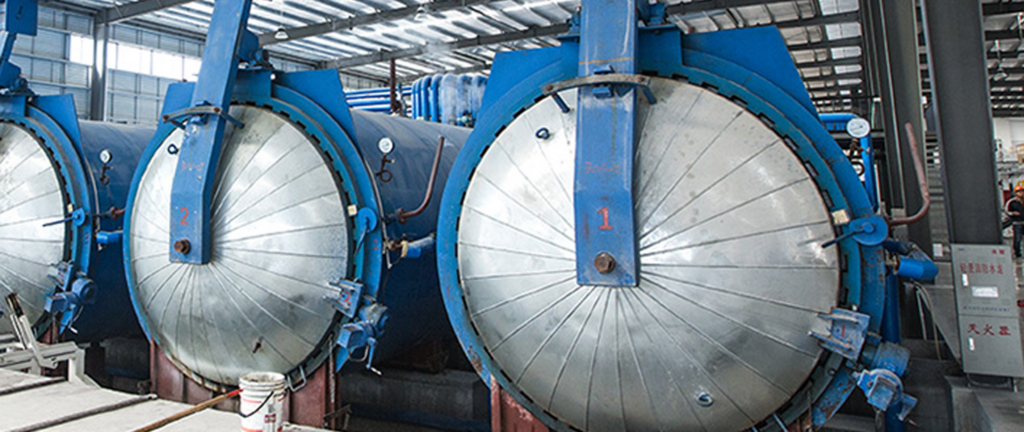
- Increase and reduce temperature and pressure slowly throughout the process (reference):
- 60°C / 0,4 MPa
- 90°C / 0,8 MPa
- 120–130°C / 1,1–1,13 MPa
- Hold for 30–60 minutes, depending on the glass thickness and quality in the autoclave.
- Hold stable at 90°C; vent after cooling to 45–55°C.
Product Specifications
FLS-EU PVB Film Product Specifications [Rolls]
| Thickness | Width | Length |
|---|---|---|
| 0.38mm | 500mm–3600mm | 400m |
| 0.76mm | 500mm–3600mm | 200m |
| 1.14mm | 500mm–3600mm | 150m |
| 1.52mm | 500mm–3600mm | 100m |
Note: Other non-standard sizes can be customised to customer requirements.
Technical Parameters (FLS-EU PVB)
| Category | Parameter | 0.38mm | 0.76mm | 1.52mm |
|---|---|---|---|---|
| Dimensional Tolerance | Length tolerance | +[0–5.0] | +[0–2.0] | +[0–1.0] |
| Dimensional Tolerance | Width tolerance | +[0–15.0] | +[0–15.0] | +[0–15.0] |
| Dimensional Tolerance | Tolerance | ±0.02 | ±0.03 | ±0.05 |
| Material | Moisture Content | ≤0.5% | ≤0.5% | ≤0.5% |
| Mechanical | Tensile Strength | ≥20.0 | ≥20.0 | ≥20.0 |
| Optical | Architectural Haze | <0.4 | <1.5 | <2.0 |
| Optical | Automotive Haze | <0.6 | <0.8 | / |
| Stability | Shrinkage Rate | <10.0 | <10.0 | <10.0 |
| Optical | Transmittance | ≥88.0 | ≥85.0 | ≥85.0 |
| Mechanical | Elongation at Break | ≥200.0 | ≥200.0 | ≥200.0 |
| Ageing | Yellowing Index | ≥8.0 | ≥8.0 | ≥8.0 |
| Electrical | Resistivity [Ω*10^11] | ≥2.0 | ≥2.0 | ≥2.0 |
Shrinkage Rate – 60°C / 15min
Direct contact Contact our team directly for product, specification or delivery enquiries. Managing Director Sales ManagerYour contacts for PVB films

An Sun
Mettmanner Str. 51
40699 Erkrath, Germany
Dussling Jiang
Mettmanner Str. 51
40699 Erkrath, Germany