
Material · EVA
EVA
Ethylene-Vinyl Acetate — EVA film is a cast film that provides high resistance to weathering and impact when laminated with glass.
Product Features and Benefits
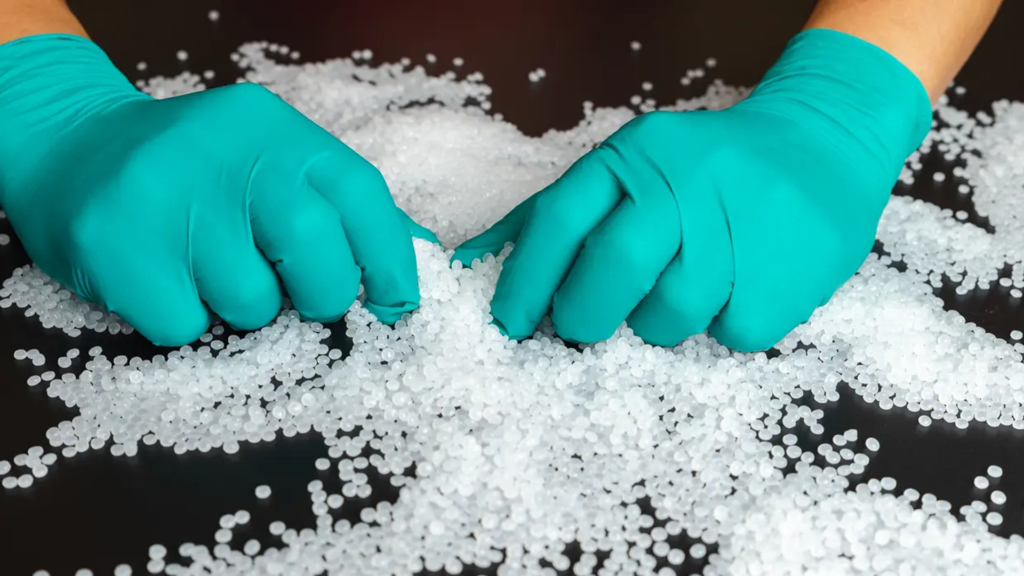
Excellent Processing Performance
- Low density—easy to handle and install.
- Easy to process by injection moulding, extrusion and blow moulding.
- Elastic and flexible—suitable for curved or complex shapes.
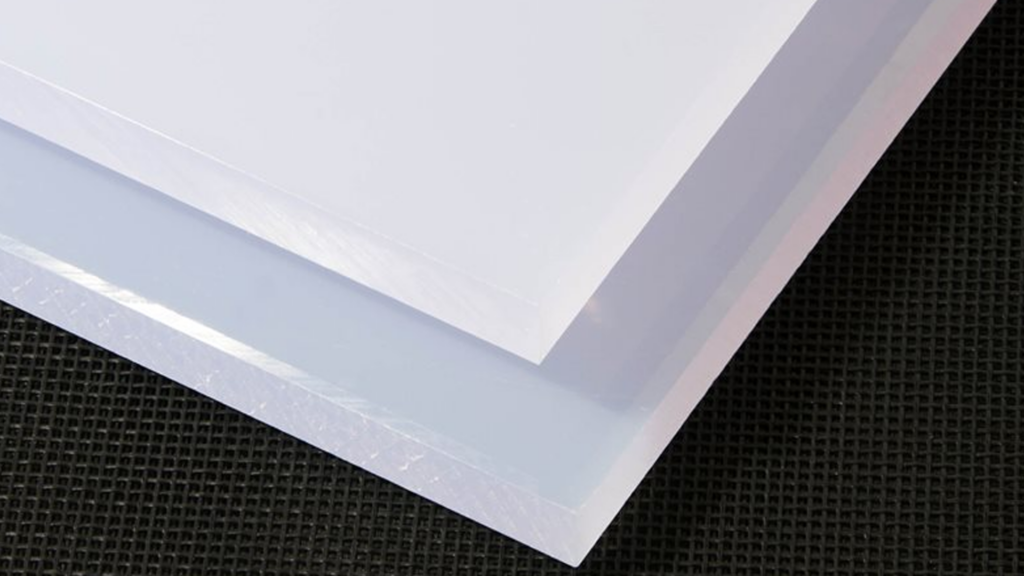
Excellent Chemical Properties
- Excellent resistance to acids, alkalis, oxidation and corrosion.
- Suitable for demanding environments involving media such as oil, acids and alkalis.

Excellent Mechanical Properties
- After modification, higher wear resistance provides a longer service life without cracking or ageing.
- Good insulation performance—suitable for housings and insulating materials in electronics.
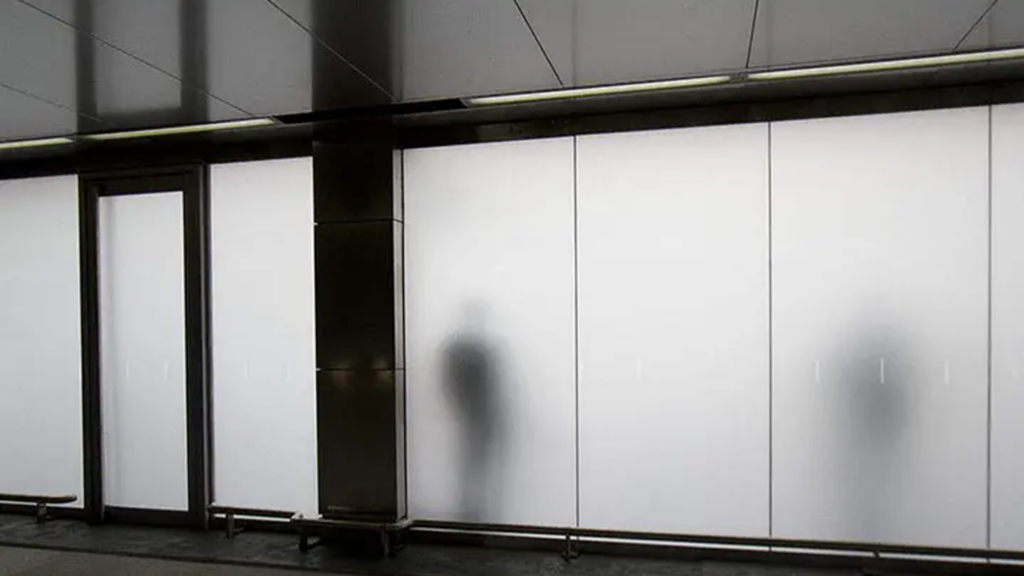
Excellent Thermal Performance
- Can be bonded using heat and pressure—suitable for composite materials.
- Very good thermal insulation—for example in solar modules, car seats and air-conditioning covers.
EVA Film Production Process (Troubleshooting)
1. Delamination
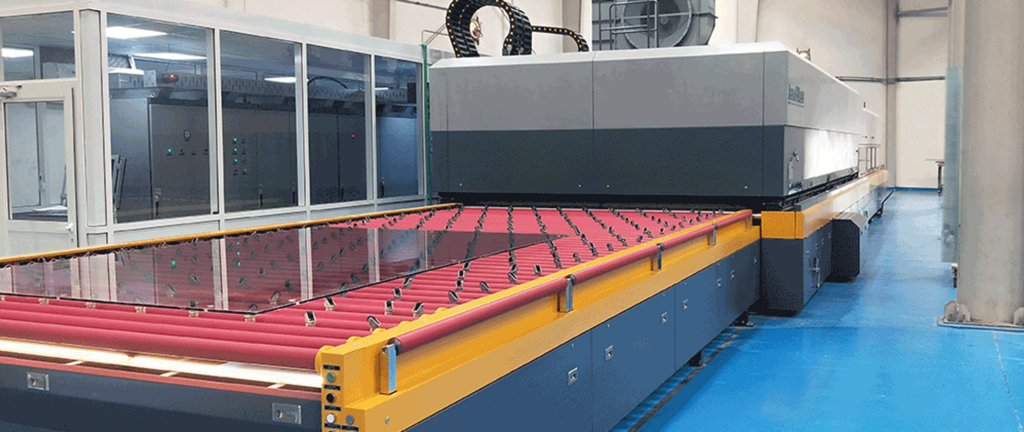
- Cause: insufficient lamination temperature or holding time.
- Check the glass-surface temperature; increase the temperature or extend the holding time.
- Clean the glass surface, removing moisture-resistant powder and contaminants.
- Avoid fibres from paper or fabric; use laminated material smaller than the film to prevent exposure.
- UV printing and sealants may cause undesirable effects; testing before use is recommended.
2. Frosting
- Lamination temperature or holding time is insufficient.
- Repeat the process according to the operating instructions, especially in cases of frosting or clouding.
3. Bubbles
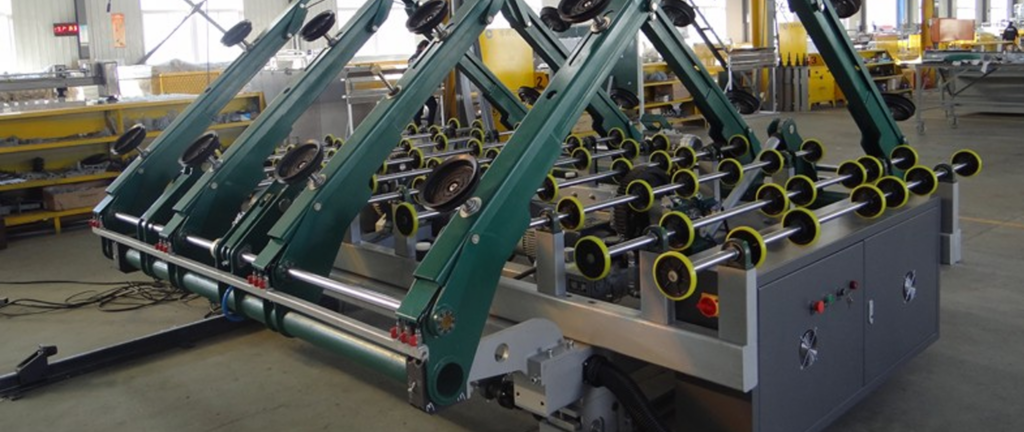
- Check the vacuum pump for leaks or blockages.
- Keep the gas path and guide holes clear; wooden strips, iron chains or wire mesh may be used to guide the gas.
- Do not heat the lower section above 65°C at the glass surface; the melting point is approximately 70°C.
- Air return: cool below 60°C, then switch off the vacuum pump.
- Avoid foreign matter on the glass surface; use thicker EVA film if the surface is uneven.
- Do not use excessive heat for low-temperature films; reduce the temperature and extend the holding time if necessary.
Product Specifications
FLS-EU EVA Film – Specifications
| Thickness | Width | Length |
|---|---|---|
| 0.25 mm | 2000 mm | 150 m |
| 0.38 mm | 2100 mm | 100 m |
| 0.76 mm | 2200 mm | 50 m |
| 1.14 mm | 2300 mm | 33 m |
| 1.52 mm | 2400 mm | 25 m |
Note: Other non-standard sizes can be customised to customer requirements.
Technical Parameters
| Test Item | Result | Standard |
|---|---|---|
| Adhesion to Glass | > 100 N | BJ LAB TEST |
| Visible-Light Transmittance | > 91 | BJ LAB TEST |
| Haze | < 0.3% | BJ LAB TEST |
| UV Resistance | > 98% | BJ LAB TEST |
| Tensile Strength | 20 MPa | BJ LAB TEST |
| Cross-Linking | 82% | BJ LAB TEST |
| Elongation at Break | 560% | BJ LAB TEST |
| Water Absorption | < 0.1% | BJ LAB TEST |
| High-Temperature Resistance | Qualified | GB 15763-2009 |
| Moisture Resistance | 0.2 | GB 15763-2009 |
| Radiation Resistance | Qualified | GB 15763-2009 |
| Ball Impact Peeling Test | Qualified | GB 15763-2009 |
| Shot-Bag Impact Test | Qualified | GB 15763-2009 |
Shrinkage Rate – 60°C / 15min
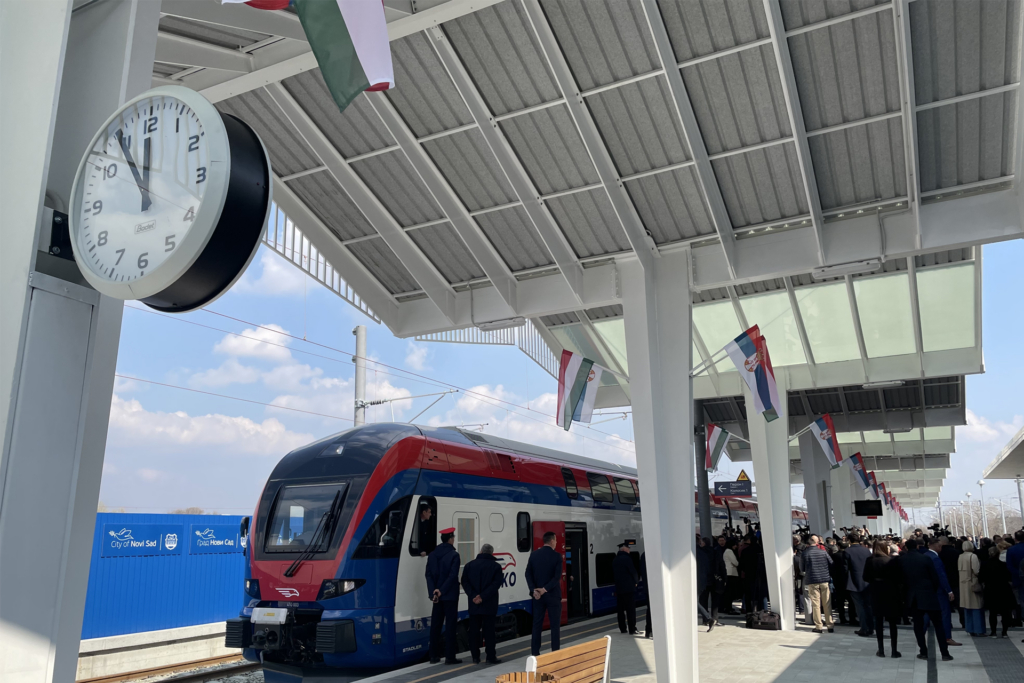
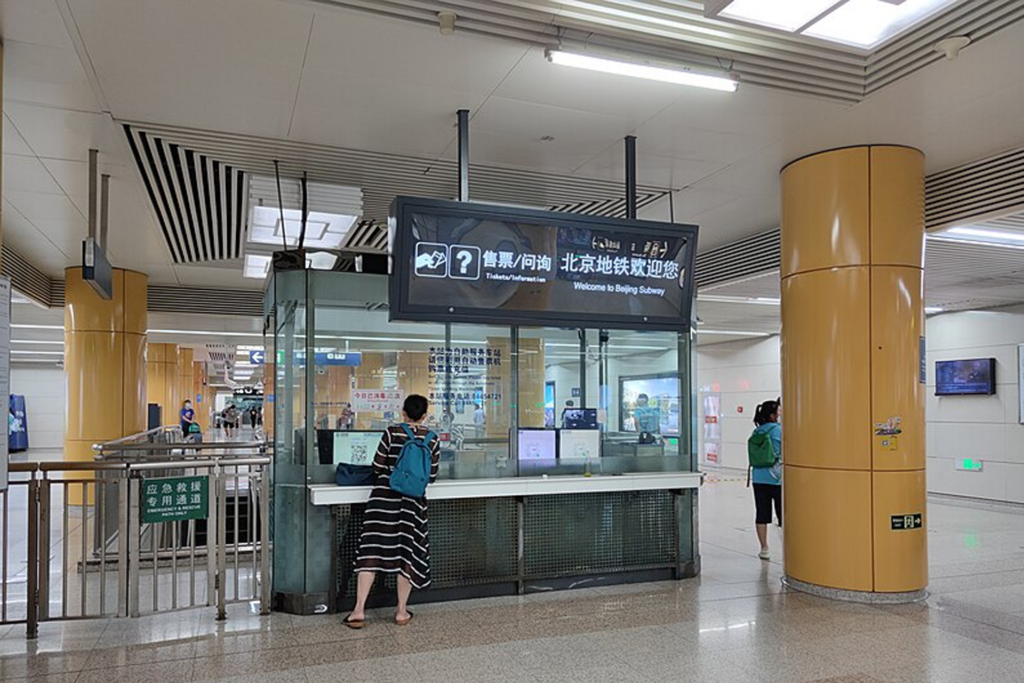
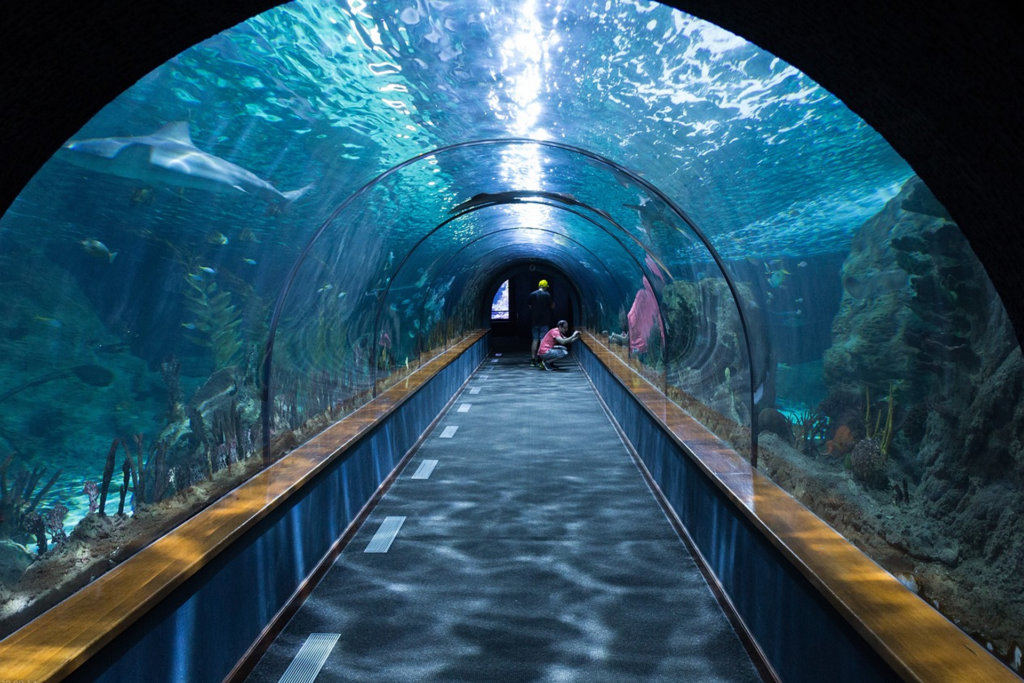
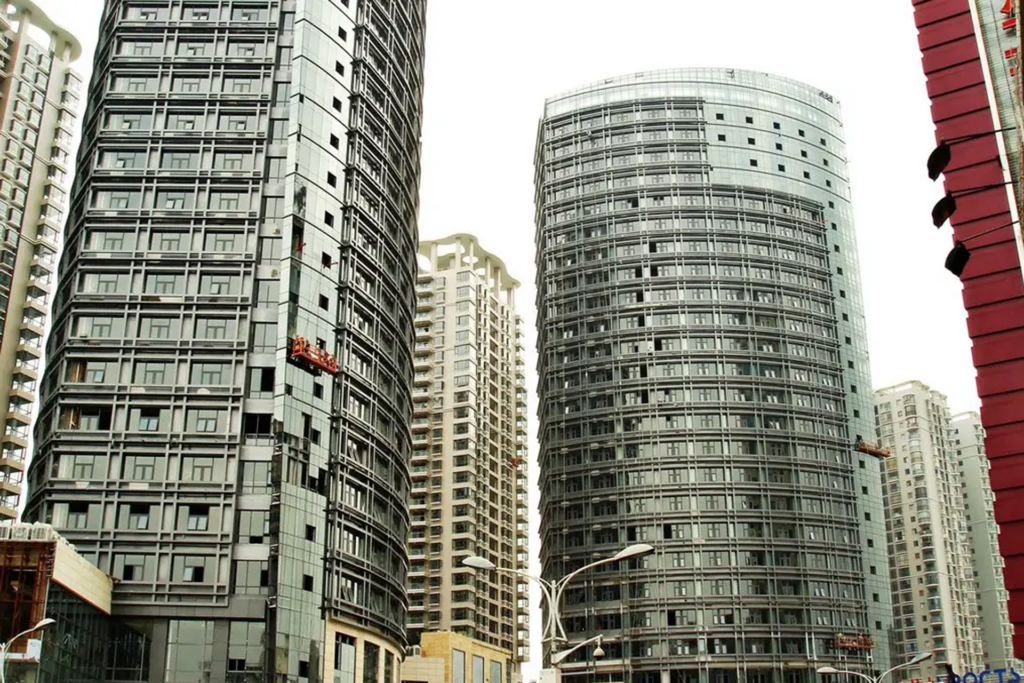
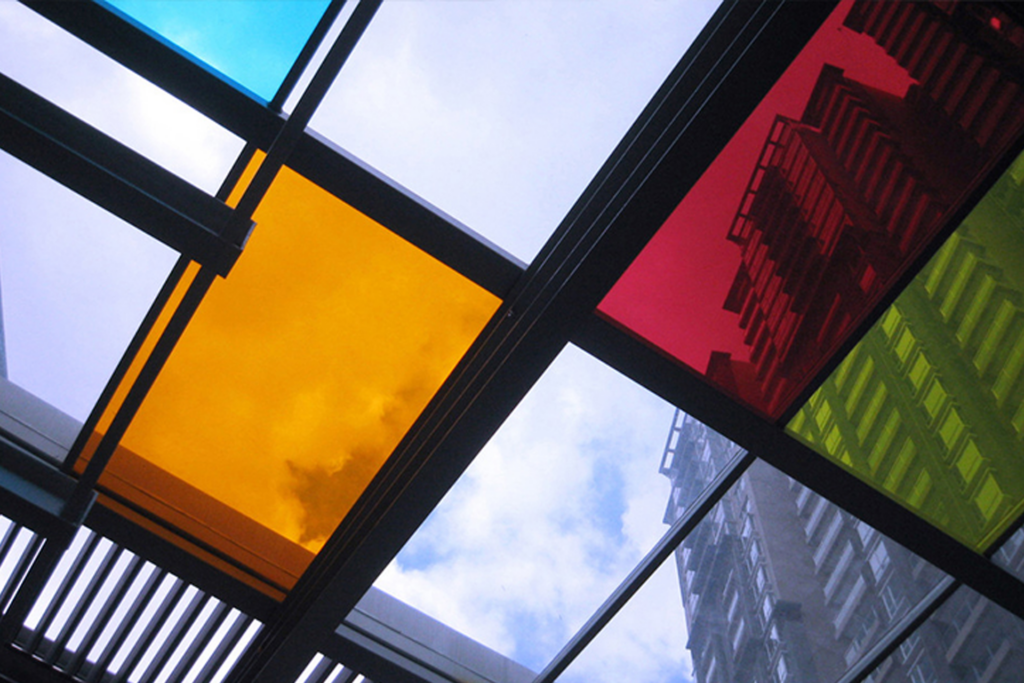
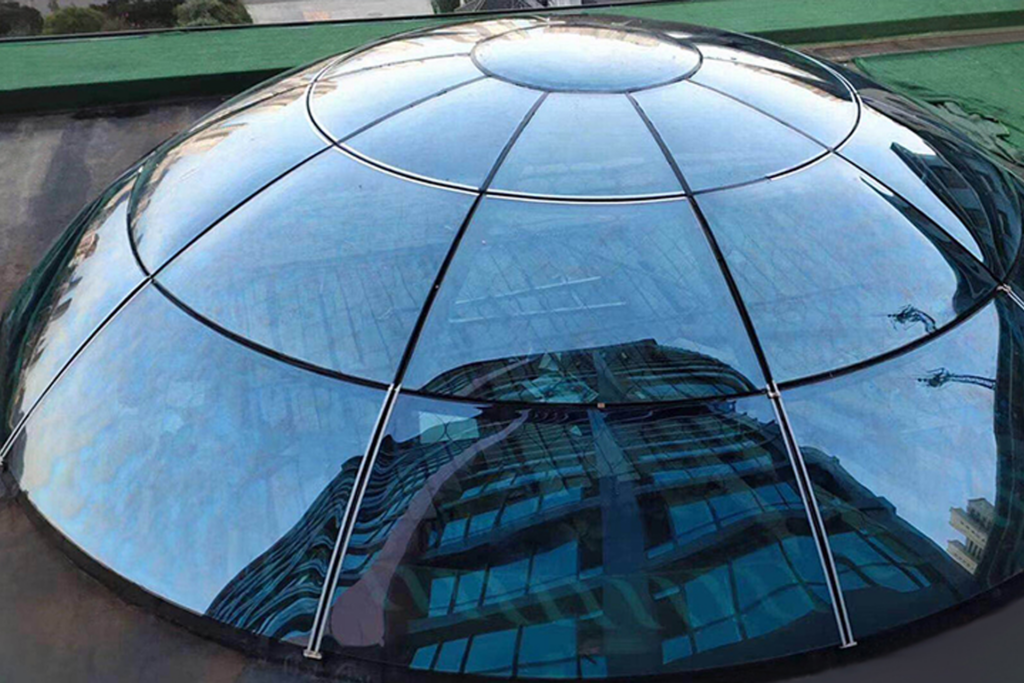
EVA Applications


Contacts